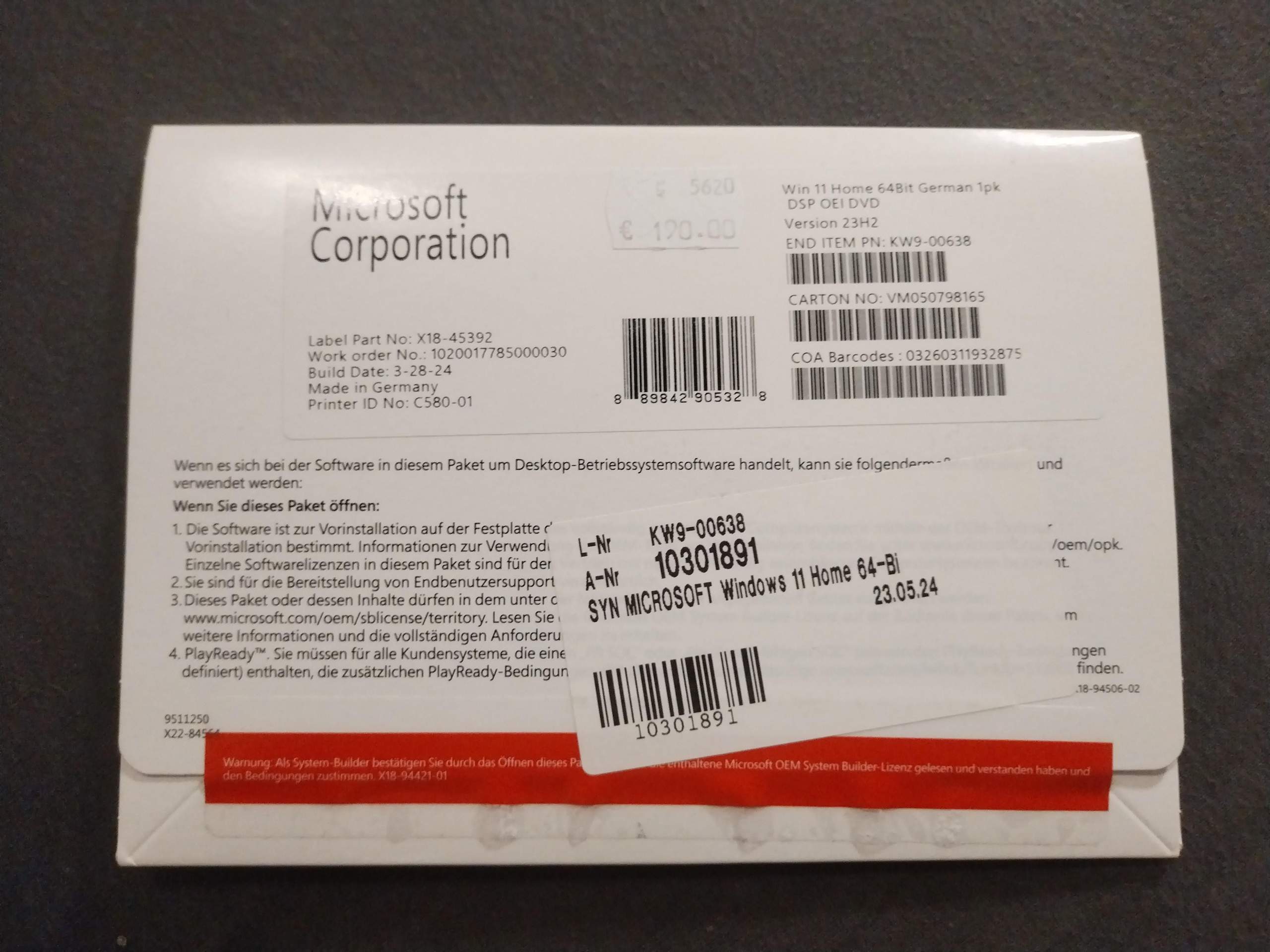
Windows 7 is no longer being supported. This was not just the end of an operating system as well as the end for an entire period of time in terms of licensing of software. For individuals and businesses clinging to `windows 7`, the upgrade path to Windows 11 is not a simple re-installation--it's a migration to a fundamentally different digital paradigm. The shift includes everything from the way you buy the "windows 11 license" to the way your computer is secured as well as how you work with Office. Cloud-integrated subscriptions and digital licenses have replaced the traditional world of isolated software suites, physical media and one-time purchase. To navigate this transition you must understand the ten interconnections which exist between old practices and the current requirements. The choices you make regarding your OS directly influence on the productivity suites as well as security, and future scalability.
1. Hardware Gauntlet. Your first and unassailable step.
Windows 11 hardware needs to be installed before you consider purchasing it (TPM 2.0 and Secure Boot with a modern processor). Windows 7 machines from the past, especially those made prior to 2017, are more most likely to fail the test. This isn't just a Microsoft profit-making scheme, but an essential security requirement. These functions form the "hardware foundation for trust" that modern security tools, such as Windows Defender, and third-party software like Kaspersky premium, depend on. In attempting to circumvent these requirements with unofficial ISO modifications creates an unstable, unsupportable system which negates the security benefits that come with the upgrade, making you at risk than Windows 7.
2. License Migration Myth: The Windows 7 license key you have is (mostly) obsolete
Windows 10 could be activated with a Windows 7 Pro product key. The time-frame for grace periods with Windows 11 is now over. Windows 7 OEM or OEM-licensed hardware, particularly if your motherboard is old is not able to upgrade to Windows 11 if the hardware does not meet the specifications. This means that you're beginning from the beginning. Your search for "windows 11 license" is a brand new purchase. You'll be required to know the retail and. OEM world.
3. The Office Licensing Revolution.
If you have Office 2010 and 2013 installed on Windows 7, then you're used to having a permanent office license. Office 2021's modern equivalent has been declared dead upon arrival. It's only receiving security patches, and does not include any new features. Microsoft 365 is the upgrade way to increase productivity. This is a significant change in that you're not only updating Office and Office 365, but you're also getting a new cloud identity (Azure Active Directory), getting 1TB OneDrive storage, and enabling real time collaboration. You should rethink your old practice of purchasing office licenses each decade instead of making it a regular operational cost that includes upgrades and services.
4. Security is not a secondary concern. It's the time to shift the mindset.
Windows 7 was likely a platform that came with an antivirus software from a third-party, like the Norton 360 version of the past. Windows 11 is a game changer. Windows Security (Defender), the security suite built into Windows, is now cloud-integrated and top-of-the-line. The installation of an old third-party software can cause conflicts and performance problems. It's best to review your options when making the switch. Do you really require a separate antivirus suite such as "kaspersky premium" or is Defender's integration with the new hardware security features sufficient? The answer will depend on the risk assessment you have. However, the notion that you need to purchase a separate antivirus program is no more true.
5. The "Clean Install" Imperative and Data Migration Strategy.
Upgrades from Windows 7 to Windows 11 are not supported. Instabilities can result. It must be a fresh installation. This process forces users to move their data in a disciplined way. This is the perfect time to end the backup process to local drives and implement a cloud strategy. Microsoft 365 includes OneDrive. Configuring Known Folder Move during setup (to backup Desktop, Documents and Pictures) changes the data migration process into a seamless cloud-synced continuous process. Data is no longer connected to a computer, and instead becomes more a user-focused.
6. The Professional Feature Crossroads – Professional is the New Minimum.
Windows 11 Pro is mandatory when you previously used Windows 7 Professional as a domain joiner, BitLocker host, or Remote Desktop host. It is not a good idea to make use of the Windows 11 home key for professional or business reasons. Home cannot connect to domains. It lacks BitLocker security, as well as the Group Policy Editor. If you are moving from Windows 7 Pro to Windows 11 Pro or a Microsoft 365 Business subscription or Retail license is your only way to maintain professional features and data security.
7. Beware of the Grey Market Siren Call During Transition.
The urgency to upgrade and the cost of new licenses prompt many to search for cheap Windows 11 oem` keys from grey markets. This could be a disastrous mistake when making the transition. These keys may not be reliable and give you an unsound base when building your new system. By investing in an authentic Retail license or a Windows subscription (like Microsoft 365 Business), you can enjoy peace of mind, 24/7 customer service, and a guarantee upgrade path in the future. A grey-market key costs the user time and data if it is removed.
8. Cloud Computing: Future-proofing the Cloud by using the Server Connection
Windows 7 was likely part of a domain, so the future likely will involve a server similar to windows 2025. Windows 11 Pro is not sufficient to allow for modern integration. You also need to know about cals, or Client Access Licenses. Azure Active Directory is available with Microsoft 365 Business. After you have upgraded to Windows 7, it's time to make the decision. Are you going to invest in on-premise servers, CALs and cloud-based device management (Intune) or change to a subscription-based service? These paths have completely different pricing and licensing.
9. Driver Archaeology and the Need for an Modern Hardware Base.
Windows 7 was successful because of the huge library of legacy drivers. Windows 11 relies heavily on drivers that are typically downloaded from the cloud through Windows Update. For hardware that is specialized (e.g., old scanners, proprietary scientific instruments) it is possible that a Windows 7 machine may be irreplaceable. Upgrade assessments should include testing for compatibility with hardware. It is often the case that the upgrade is actually requiring new hardware. So, a brand new PC with pre-installed Windows 11 OEM is the most practical secure, stable, and reliable option.
10. A shift in the philosophy: From Ownership to Management and Access.
Updates for Windows 7 are a shift in philosophy. It's about moving from an unchanging piece of software (windows 7 DVD or Office 2010 box) or subscribing to a constantly updated service, or purchasing a license with strict rules for transfers. Your security model changes from an antivirus that you can bolt on to a complete, hardware-backed defense. You move your data from your local identity to cloud storage. Embracing this holistic change--through authentic Windows 11 Pro licenses, a Microsoft 365 subscription, and making use of modern security tools is the only way to make sure that the upgrade is not only the latest OS but also a durable modern, scalable, and dependable computing foundation for the next decade. Read the top windows 7 for blog recommendations including ms project, ms project, microsoft visio, microsoft office with key, outlook software download, office 365 key, windows & office, microsoft visio, windows and office, ms visio software and more.
The Real Cost Of Software - Why Windows Licences And Antiviruses Save Money.
In today's digital economy, the pursuit of short term savings on software may result in a longer-term financial crisis. A windows OEM from the grey market or a premium version of Kaspersky antivirus isn't worthy of investing in a cheap key. The real price of software isn't the price it is purchased and is more the Total Cost of ownership (TCO) which is the total of security breaches, downtime, data loss, compliance fines, and lost productivity over the course of its life. Windows 11 licensing and security software for professionals are not just a cost they are crucial investments that can have a significant ROI on risk reduction. This study reveals 10 cost centers that are hidden and can make the "cheap' option incredibly expensive. The dots are connected from OS licensing through to productivity software as well as the server infrastructure.
1. The Grey Market License should not be considered an asset, instead, it is an obligation.
The buyer of a windows11 license from an unregistered vendor is responsible. These keys, often bulk licenses or MSDN keys that violate terms can be subject to mass removal by Microsoft. Microsoft will deactivate all of the keys that are usually volume licenses and MSDN keys that do not comply with the conditions. The cost is far greater than the savings of 30 dollars from the initial key. A legitimate license, from Retail or an OEM will function as expected over the lifecycle.
2. OS Integrity is a determinant of the efficiency of security software.
Security suites for antivirus like norton360 or kaspersky work at the kernel level, and require a core operating system that's unalterable safe, reliable, and secure. Grey-market Windows installation often utilizes modified system files or activation scripts to get around the validation process. These modifications could be flagged as malicious, destabilizing security suites, or even more dangerously, they can create backdoors, rendering the antivirus blind. You pay for a security guard who is premium (`kaspersky premium) however, they are stationed outside an area where the architectural plans have been sold to criminals. The corruption of the foundation negates the effectiveness of the guard.
3. Compliance & Audit Time Bombs for Business
Software audits can be a game of Russian roulette for a business using unlicensed software. A firm that uses windows 2025 and has the appropriate "cals", but has client PCs running grey-market Windows will be slapped with a "true up" bill that includes the retail price of every illegitimate desktop license, as well as potential penalties. An unexpected capital expenditure in the tens of thousands is possible which is far greater than any previous "savings." The license provides insurance against financial shocks like this.
4. Data Costs of Loss: The Unbudgeted Ultimate Cost
The main source of ransomware and malware that steals data comes through unpatched vulnerabilities. Windows Updates are frequently delayed or broken on non-genuine Windows installation. The system is vulnerable if security updates are not installed on time. A single ransomware attack can cause a small business to go under. The ransom (without any guarantee of recovery) and investigational IT costs, loss of data value, and business interruption are all included. The cost of Windows 11 Pro and a premium antivirus subscription are trivial compared to the risk.
5. Productivity Software Instability within a Fake Framework
Installing a legitimate `office lizenz`, whether a perpetual `office lizenz kaufen or a Microsoft 365 subscription, on a non-genuine Windows installation is like building on sand. Office update and activation services are tightly tied to Microsoft's ecosystem. Windows deactivated, or corrupted, can impact Office activation. This results in lower functional banners, as well as crash and loss of cloud sync. A platform designed to fail can ruin the money you put into productivity tools. Stable productivity requires a stable, legitimate OS.
6. The IT Multiplier of Labor in an unofficial, fragmented stack.
A network of PCs that has grey-market keyboards, antivirus software from different manufacturers and no central control can be a nightmare for IT. Each issue is unique and unsupported, taking a long time to diagnose. Comparing this fleet with one with Windows 11 Pro licensed computers which are managed by Intune (included in Microsoft 365 Business), and a security console centrally controlled. The latter decreases mean time-to-repair (MTTR) problems by several orders of magnitude. The "savings on software licenses" directly translate into exponentially increased, ongoing costs for the IT personnel.
7. The upgrade path dead end and the future cost
There's no method to upgrade your system legally with the grey market Windows 11 Home (or Pro key). If you want to relocate hardware or want to integrate with an "windows Server 2025" system, you will require a different license. The cost is typically more expensive. A valid Retail license is transferable. Microsoft 365 subscriptions include continuous upgrade rights. The cheaper key can make you a victim of repurchasing while legal options provide a clear and predictable path to protect your initial investment.
8. Performance Taxes on Software "Bargains" and Conflicts
These tools, which are used to activate grey market Windows, run background processes that use resources for memory and CPU, and interfere with security and other software tools. This "performance tax" can slow down trading platforms, the development environment and creative suites. The time lost to slower performance--compounded over months and years--represents a significant, hidden cost in lost human productivity. If you use a genuine, clean system you can be sure that all of your hardware is devoted to your task.
9. Professional Reputation, Client Trust and Customer Reputation Eroding
Unlicensed software poses a serious risk for a company. It's irreparable damage to trust if a partner or client finds out that you've cut corners on the core software. This shows that you are not concerned about safety, legality and integrity of operation. This is a significant disqualifying factor for competitive bids or due-diligence financing. It's an infringement of the business, a failed partnership, or a damaged image that is more expensive than a software license.
10. The value of the holistic ecosystem vs. The Holistic Ecosystem Value vs "Savings".
For companies, the most effective method is to build an authentic ecosystem that incorporates every app and services. For a business, this is often Microsoft 365 Business Premium: It offers legitimate Windows 11 Pro (through upgrade rights), the latest Office applications as well as 1TB of cloud-based storage that is secure, business email, and advanced mobile device and security management at a reasonable monthly per-user cost. This is a complete stoppage to the grey market Windows hunt, standalone Office licenses, and third-party antivirus since it has an enhanced version of Defender. TCOs are transparent, manageable, secure, and inexpensive. The "savings" of putting together illegal components is a myth that vanishes when exposed to the reality of risk, work, and loss. View the top cals for website tips including windows server 2016 server, office key, windows server software, outlook software download, ms office 2016, product keys, microsoft office 2019, office2019 download, windows server os, windows & office and more.